
Unscripted television
How independent TV gets funded, and where private money fits.
Some programmes need more money than the broadcaster's commission covers. This page explains how that gap gets filled, what investors are usually offered and what can go wrong. Register your interest if you'd like to hear about specific programmes.
A New Area of Focus
A different route into television.
Behind every successful unscripted programme is a production company responsible for developing the idea, securing the right partners, managing the production and delivering the finished programme.
A broadcaster or platform commission may not always cover the full production budget. Depending on the programme and its structure, the production company may assemble the remaining finance from distributors, international pre-sales, production incentives, commercial partners and third-party capital.
Film TV Group is developing direct relationships with production companies to identify selected opportunities where private investment could form part of a clearly defined finance plan.
£3.66bn
UK independent television production sector revenue in 2024.
Source: Pact, Independent Production Sector Financial Census and Survey 2025Direct
Sourced through television production companies
Reviewed
Checked against the list further down this page before we present it
Candid
We'll tell you if we think it isn't for you
Who commissions
A commission is a contract, not a promise to you.
Unscripted programmes are commissioned by public service broadcasters, pay-TV channels and streaming services in the UK and the US. A commission is a contract between the broadcaster and the production company. It tells you someone wants the programme. It doesn't guarantee the programme is made on budget, that payments arrive on time, or that any money reaches investors. Naming a broadcaster doesn't mean it has any relationship with Film TV Group, so we don't show their logos.
The Opportunity
Television can create value beyond a single broadcast.
Unscripted television includes factual entertainment, competition formats, documentaries, lifestyle programming, reality, specialist factual and returning series.
Unlike a single piece of content made only for one release, certain television projects can create continuing commercial opportunities through additional series, international sales, format licensing, secondary rights and catalogue value.
Every project is different, and none of these outcomes is guaranteed.
Recognisable audience demand
Unscripted programmes are often built around clear subjects, formats and audience behaviours that can be assessed before production begins.
Returning series potential
A successful programme may lead to additional episodes, new series or adapted versions, subject to broadcaster demand and contractual rights.
International format value
Certain formats may be licensed, remade or distributed in additional territories, creating potential commercial value beyond the original UK production.
Defined production milestones
Television production normally works to agreed budgets, production schedules and delivery requirements. These can provide investors with a clearer view of how capital is intended to be used.
Different does not mean lower risk. Television investments remain speculative, illiquid and dependent on the individual programme, contracts, production company and commercial structure.
Areas of Interest
What we mean by unscripted television.
01
Factual Entertainment
Popular, personality-led programming that combines factual subjects with an entertainment sensibility.
02
Competition and Game Shows
Format-driven programmes built around clear stakes, mechanics and returning-series potential.
03
Documentaries
Single films and series exploring subjects of cultural, social or commercial significance.
04
Lifestyle and Property
Home, food, travel and lifestyle programming with broad, established audience demand.
05
Reality and Constructed Factual
Character-led series in defined worlds, with strong audience engagement and returning value.
06
Specialist Factual and Travel
History, science, natural world and travel programming with international distribution potential.
These categories describe the types of programmes we expect to consider. They do not represent live or currently available investments.
The Structure
How television funding can work.
The structure will vary from programme to programme. A typical opportunity may involve a production company assembling several sources of finance around a defined production budget.
- 01
The Programme
An independent production company develops a programme, series or television format.
- 02
The Commercial Plan
The company establishes the proposed broadcaster, platform, distributor, rights and revenue strategy.
- 03
The Finance Requirement
The existing finance and any remaining production requirement are identified clearly.
- 04
The Investment Structure
Investor capital may be introduced through a project company, loan, equity participation, revenue share or another documented structure.
- 05
Production and Recoupment
Capital is deployed into the agreed production budget. Any repayment or participation then follows the contractual recoupment and revenue waterfall for that specific opportunity.
This is an illustration only. No standard television investment structure, return or repayment timetable should be assumed.
Selection
What we expect to understand before presenting an opportunity.
- ·The production company and its delivery track record
- ·The programme concept, format and intended audience
- ·Ownership and control of the relevant rights
- ·Broadcaster, platform or distributor involvement
- ·The complete production budget
- ·The amount and proposed use of investor capital
- ·Existing sources of finance
- ·The proposed investor structure
- ·The recoupment and revenue waterfall
- ·Production and delivery milestones
- ·Material commercial and production risks
- ·Supporting agreements and legal documentation
Our review is intended to help determine whether an opportunity is suitable to present to the network. It is not a guarantee of performance, an endorsement or a substitute for an investor's own legal, financial and commercial due diligence.
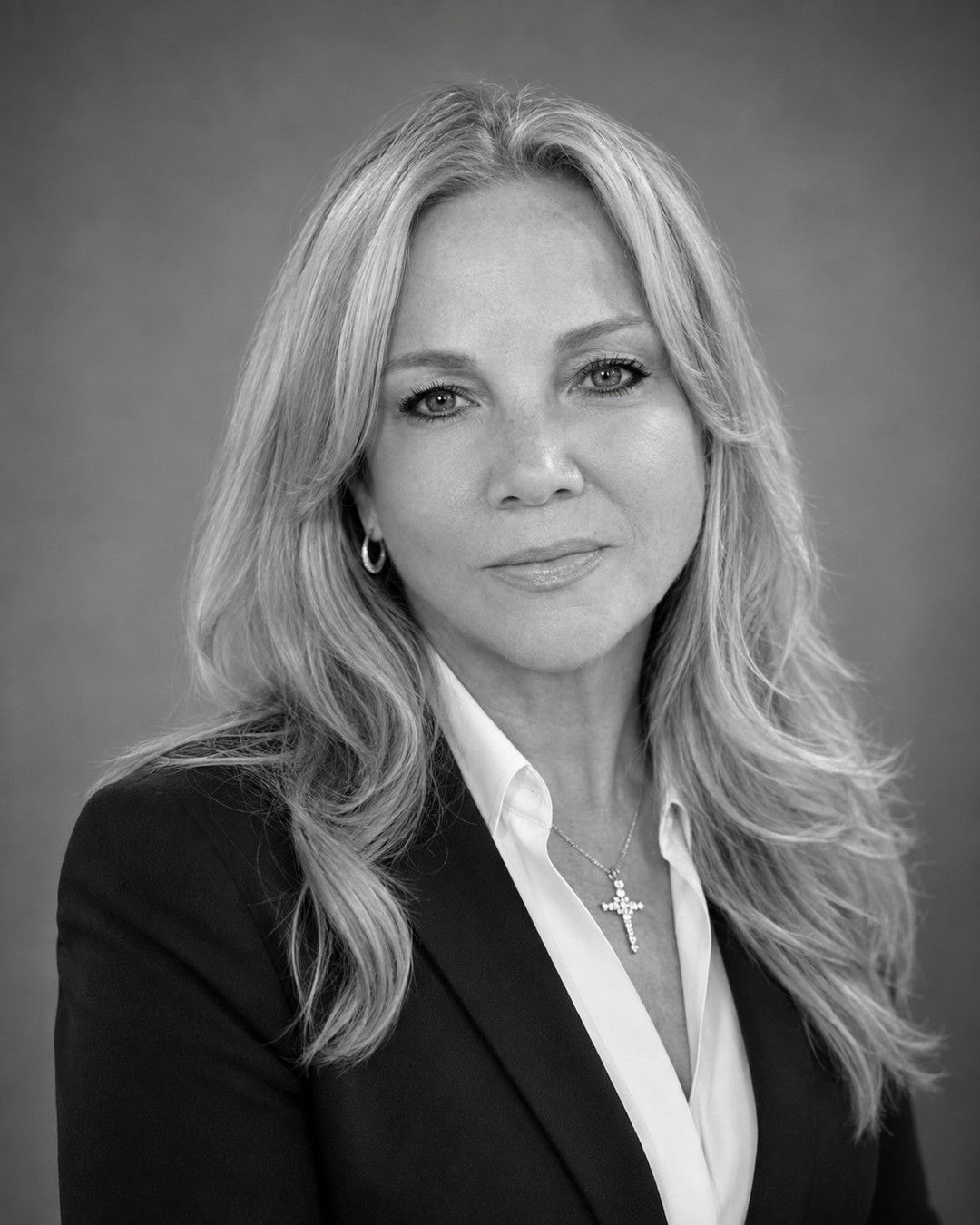
The people
Who you'll speak to.
You'll always know who you're talking to, and you can look us up before you book.
Read our backgrounds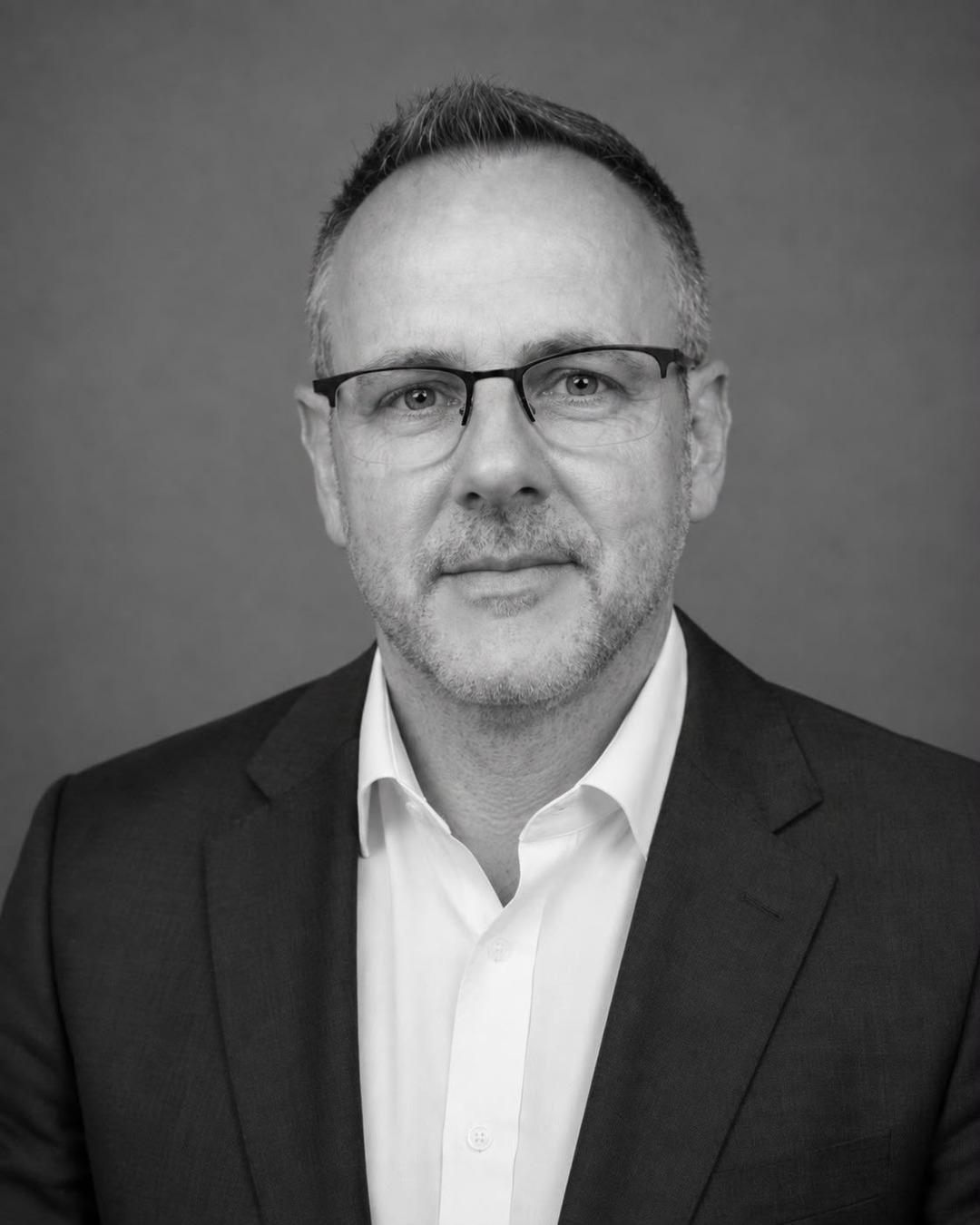

How registering works
Joining the waitlist does not mean joining every deal.
Registering tells us what you'd consider, so we only contact you about programmes that fit.
- 01
Register your interest
Tell us about your profile, preferred investment range and television interests.
- 02
Help shape the pipeline
Your answers help us understand the genres, structures and timescales our network wants to review.
- 03
Personal review
Film TV Group reviews every registration and may request further information.
- 04
Invitation
Where a relevant opportunity becomes available, selected members may be invited to review the initial project information.
- 05
Independent decision
Investors receive the available documents, ask questions and undertake their own due diligence before deciding whether to participate.
Registration does not guarantee access, allocation or acceptance into any future opportunity.
Frequently Asked
Questions about television investment.
Yes. Independent Unscripted Television is open now. You can read about it on its opportunity page, and the information memorandum follows a short qualification call. Register here to hear about future programmes.
Our initial focus is unscripted television, including factual entertainment, documentaries, competition formats, lifestyle programming, reality and specialist factual productions.
Our intention is to source opportunities through direct relationships with the independent production companies responsible for developing and delivering the programmes.
Every opportunity has its own structure and minimum. For Independent Unscripted Television it's £20,000.
We don't publish target returns on this website. There's no standard return for television funding: it depends on the contracts and structure of each programme. The target for each opportunity is set out in its information memorandum, with the risks, after a short call. Any return is a target, not a promise.
No. Our television opportunities don't qualify for EIS, SEIS or any other investor tax relief, so they have to make sense on commercial terms alone.
Usually longer than people expect. Each opportunity states an expected term, but broadcasters and distributors often pay late and there's no way to sell early. In some cases it could be several years.
No. Film TV Group introduces selected opportunities for consideration. We do not provide investment, legal or tax advice. Investors should obtain independent professional advice and complete their own due diligence.
Yes. Television and entertainment investments are speculative and high risk. Investors should be prepared to lose all the capital they invest.
Help Shape What Comes Next
Hear about the next programmes.
Independent Unscripted Television is open now. Register to hear about future programmes that fit what you'd consider.
No commitment. Registering doesn't guarantee a place in any opportunity.
Risk Disclosure
Estimated reading time: 2 minutes
1. You could lose all the money you invest
Film and entertainment investments are speculative. Many projects do not generate the returns forecast, and some return nothing at all. You should be prepared to lose the entire amount invested.
2. You are unlikely to be protected if something goes wrong
Most film investment opportunities are not regulated activities. The Financial Services Compensation Scheme (FSCS) is unlikely to apply and the Financial Ombudsman Service is unlikely to consider complaints relating to these investments. Learn more.
3. You won't get your money back quickly
Film and television projects take time to produce, deliver and get paid for, and broadcasters and distributors often pay later than planned. There's no public market for these interests, so you can't sell early. Each opportunity states an expected term, but your money could be tied up for longer, in some cases several years.
4. Don't put all your eggs in one basket
Investing more than 10% of your net investable assets in high-risk investments is unlikely to be appropriate. Net investable assets exclude your primary residence, pension and life insurance policies. A well-diversified portfolio reduces the risk of any one investment causing serious harm.
5. There is no tax relief on our television opportunities
Our television opportunities don't qualify for EIS, SEIS or any other investor tax relief, so they need to make sense on their commercial terms alone. If a project is ever structured to qualify for a relief, its page will say so clearly, and the value of that relief would depend on your circumstances and could change. Speak to an independent tax adviser.
6. The office does not provide advice
Film TV Group presents opportunities for consideration by qualified investors. We do not provide investment, tax or legal advice. You should take independent professional advice before committing capital.